

When I first started reviewing online casinos, I quickly recognized that the real difference between a forgettable site and a truly impressive one hardly ever comes down to a single game or a flashy banner. It comes down to the software platform working behind the scenes. At view details, that platform is the invisible architect of every session I experience, dictating how quickly games load, how smoothly I switch between slots and live dealer tables, and how dependably my deposits and withdrawals are processed. Understanding these platforms alters the way you choose where to play, and I want to walk you through specifically what makes them tick.
Encryption, Encryption, and Compliance with Regulations
A casino platform functions as a fortress that must safeguard sensitive personal and financial data against continuously evolving threats. I always confirm that the platform uses at least 128‑bit SSL encryption, though modern implementations now use 256‑bit TLS. When I visit Grandmondial Casino, the browser padlock confirms an encrypted connection, and the platform’s privacy policy specifies how my data is stored, processed, and shared. A legitimate platform also adheres to data protection regulations such as the GDPR, providing me rights over my information and demanding explicit consent for marketing communications.
Licensing is the cornerstone of platform trustworthiness. The software platform must be approved by a recognized gambling jurisdiction, and the operator must maintain a valid licence from an authority like the Malta Gaming Authority, the Kahnawake Gaming Commission, or the Curacao Gaming Control Board. I always scroll to the footer of Grandmondial Casino to find the licence seal and click through to confirm its authenticity on the regulator’s website. A licensed platform is liable to regular audits of its RNG and its financial reserves, guaranteeing that player funds are isolated and that withdrawals will be fulfilled.
Beyond external oversight, the platform embeds responsible gambling tools directly into the user interface. Deposit limits, loss limits, session reminders, and self‑exclusion options must be reachable within a few clicks. At Grandmondial Casino, I can configure daily, weekly, or monthly caps, and the platform applies them immediately across all devices. The self‑exclusion feature is particularly strong, restricting access and marketing communications for a chosen period. These tools are not mere checkboxes; they are integrated into the platform’s core logic, showing a genuine commitment to player welfare that I always look for in my reviews.
The Unseen Engine Behind Every Spin and Bet
Many players rarely consider the casino software platform, yet it is the core operating system that manages every single action. The platform processes player account creation, balance updates in real time, game session management, and the communication between your device and the remote game servers. When I click spin on a slot at Grandmondial Casino, the platform instantly forwards my bet instruction to the game logic, fetches the outcome from the random number generator, updates my balance, and renders the visual result on my screen, all within milliseconds. A poorly built platform introduces lag, disconnections, or balance discrepancies. A refined one makes the whole experience feel smooth.
Beyond basic transaction handling, the platform coordinates critical behind‑the‑scenes functions such as fraud detection, responsible gambling limits, and bonus wagering tracking. I have tested platforms where bonus progress would stall or fail to update, leading to confusion and support tickets. At Grandmondial Casino, the platform’s session continuity means I can close a game mid‑spin and return later without losing my state, a detail that reflects a mature, resilient architecture. This engine also supports multi‑currency support and language localization, ensuring that no matter where I log in from, my balance appears correctly and the interface adapts without manual configuration.
What strikes me the most is how the platform handles peak load. During major slot tournaments or live game show events, thousands of simultaneous bets must be processed without delay. The infrastructure behind Grandmondial Casino appears built for concurrency, using load balancers and distributed server clusters. I rarely encounter timeout errors, and when I do, the platform gracefully recovers my session rather than forcing a re‑login. This reliability isn’t accidental; it’s the result of deliberate engineering choices that focus on uptime and data integrity over flashy front‑end gimmicks.
The way Game Aggregation Shapes Your Lobby Experience
Not one game studio is able to provide every category of casino entertainment, which is why modern platforms rely on aggregation. An aggregator serves as a middleware layer, bridging the casino to dozens of game providers through a single API. When I navigate the lobby at Grandmondial Casino, I am essentially browsing a curated catalogue pulled from multiple developers like Microgaming, NetEnt, and Evolution, all unified under one roof. The platform’s aggregation engine fetches game thumbnails, descriptions, and real‑time jackpot values, then displays them in a clean interface that masks the complexity of dealing with disparate backends.
The quality of aggregation has a direct effect on how quickly new titles become available and how smoothly I can sort by category, volatility, or feature. I value that Grandmondial Casino’s lobby allows me to instantly switch between classic three‑reel slots, Megaways titles, and live roulette without refreshing the page. This is achievable because the platform caches game metadata and pre‑loads assets intelligently. A weak aggregation layer might cause broken thumbnails, mismatched RTP information, or games that refuse to open because of version conflicts. Here, every tile I click opens reliably, and the search function even recognizes partial titles and provider names.
Another frequently ignored benefit of solid aggregation is the unified responsible gaming overlay. Regardless of which provider’s slot I play, the platform can implement my session time limits, deposit caps, and reality checks consistently. At Grandmondial Casino, I never have to set limits separately for each game studio; the platform implements them globally. This architectural choice eases compliance and offers me confidence that the operator views player protection seriously, integrating it at the deepest level rather than as an afterthought.
FAQ
What precisely is a casino software platform?
A casino software platform represents the integrated system that operates every aspect of an online casino, including game management, account handling, payment processing, bonus tracking, and security protocols. It links the front‑end lobby you see with back‑end servers, game providers, and payment gateways. In the absence of a solid platform, even the best games would experience slow loading, balance errors, and unreliable cashier functions.
How does one I verify that a platform uses fair RNG?

Look for certification seals from independent testing laboratories such as eCOGRA, iTech Labs, or GLI, usually displayed in the website footer. These organizations examine the random number generator over millions of simulated rounds to confirm statistical randomness. You can click the seal to view the valid certificate. A platform that does not have visible certification should be approached with caution, as unverified RNG could be manipulated.
Must I to download an app to play on mobile?
Most modern platforms, including the one powering Grandmondial Casino, are built with HTML5 technology that works directly in your mobile browser without any download. You simply visit the website, log in, and the responsive interface adapts to your screen size. Some casinos also offer optional native apps for iOS and Android that may provide push notifications and slightly faster loading, but the browser version is fully functional.
What is the typical withdrawal time?
Withdrawal speed depends on the payment method and the platform’s internal processing. E‑wallets like Skrill and Neteller are often processed within 24 hours once approved. Credit and debit card withdrawals usually take three to five business days, while bank transfers can extend to five to seven business days. The platform’s automated verification system significantly reduces delays, so completing KYC early helps speed up your first cashout.
What payment methods are typically accepted?
A well‑integrated platform supports Visa, Mastercard, Skrill, Neteller, bank transfers, and sometimes prepaid vouchers or cryptocurrencies. The exact selection varies by region, but Grandmondial Casino’s cashier typically displays all available options after you log in. The platform uses tokenization to protect card details and routes transactions through secure gateways, ensuring your financial information remains encrypted and isolated from the main gaming servers.
Will bonuses added automatically to my account?
A large number of welcome bonuses demand an opt‑in during deposit or a bonus code entry, while some loyalty rewards and free spins may be credited automatically by the platform’s promotional engine. Make sure to read the bonus terms in the cashier before confirming your deposit. The platform follows wagering progress in real time, and you may view your remaining playthrough requirement directly in your account dashboard to avoid accidentally forfeiting bonus funds.
By what means does the platform protect my personal and financial data?
The platform uses TLS 1.3 encryption for all data transmitted between your device and the servers, making it unreadable to third parties. Payment card information is tokenized and never stored in plain text. The platform also follows data protection laws like the GDPR, enforces strict access controls, and undergoes regular security audits. Two‑factor authentication on withdrawals adds an extra layer of protection for your funds.
Live Dealer Streaming and the Next Phase of Immersive Play
Live dealer games represent the most demanding test of a casino platform’s infrastructure. Streaming high‑definition video from a professional studio to thousands of concurrent users requires low‑latency protocols, adaptive bitrate technology, and rock‑solid server capacity. When I enter a live roulette table at Grandmondial Casino, the platform connects me to a stream that modifies quality based on my connection speed, and the betting interface integrates smoothly on top of the video. The chat feature enables me engage with the dealer and other players without introducing noticeable lag, a sign that the platform uses WebSocket connections rather than slower polling methods.
The integration of live dealer content extends beyond simple embedding. The platform must synchronize game state, display real‑time statistics, and handle side bets and special features unique to each table. I like that Grandmondial Casino’s live lobby shows dealer names, table limits, and the number of available seats before I even access a game. Behind the scenes, the platform interfaces with the live casino provider’s API to secure my seat, handle my bets, and settle outcomes instantly. A poorly integrated platform would experience from bet rejection during peak moments, but here I have placed last‑second bets on blackjack without issue.
Looking ahead, the software platform is the foundation for emerging immersive technologies. Virtual reality casinos, augmented reality overlays, and game show hybrids all rely on a platform that can handle 3D rendering, spatial audio, and real‑time multiplayer interactions. While still nascent, these innovations will eventually transform what it means to experience an online casino. I see Grandmondial Casino’s current platform as future‑ready, built with scalable cloud infrastructure and modular architecture that can adopt new verticals without a complete overhaul. That forward‑thinking approach is exactly what I want from a casino I plan to play at for years.
RNG, RNG Certification, and Why It Matters
Any fair online casino depends on the integrity of its random number generator, a complex algorithm that creates unpredictable outcomes for each spin, card draw, or dice roll. The software platform must incorporate a certified RNG that has been tested by independent laboratories such as iTech Labs, eCOGRA, or GLI. I always look for certification seals in the website footer because they verify that the RNG generates statistically random and unbiased results over millions of cycles. At Grandmondial Casino, the platform’s RNG implementation is the gatekeeper that ensures neither the operator nor the player can manipulate outcomes.
Beyond the RNG itself, the platform must securely transmit the generated numbers to the game client without alteration. I pay attention to how games display return‑to‑player percentages and whether the platform provides access to game history and provably fair mechanisms where applicable. While classic slots and table games use server‑side RNG, some platforms now offer blockchain‑based verification for added transparency. Even without that, a properly audited RNG offers me the assurance that the house edge is exactly as published and that my long‑term results will align with the statistical model.
I also examine how the platform handles game state during interruptions. If my connection drops mid‑spin, the outcome must be determined server‑side and applied to my balance correctly. At Grandmondial Casino, I have experienced network hiccups where upon reconnection, the platform immediately presented the result and adjusted my funds, proving that the RNG decision had already been made and stored. This deterministic handling eliminates disputes and bolsters my trust. For any player, verifying that a platform uses a regularly audited RNG is the single most important step before depositing real money.
Bonus Structures and the Bonus Engine
Each welcome offer, reload bonus, and free spin campaign is powered by a promotional engine built into the platform. This backend sets the rules: match percentages, maximum bonus amounts, eligible games, wagering multipliers, and time limits. When I redeem a bonus at Grandmondial Casino, the platform immediately creates a separate bonus balance and commences tracking my wagering contribution in real time. I can check my progress as a percentage bar, which eliminates guesswork and enables me decide whether to continue playing or withdraw my cash balance once requirements are met.
The complexity of the bonus engine also determines how fairly restrictions are applied. A good platform will enforce max bet rules during bonus play and stop me from accidentally wagering on excluded games that do not count toward playthrough. At Grandmondial Casino, if I attempt to open a restricted table game while a bonus is active, the platform notifies me or blocks the bet, shielding me from inadvertently voiding my winnings. The engine also handles free spin batches, granting them in scheduled chunks and transferring any winnings directly to the bonus balance with clear expiry dates.
From an operator perspective, the promotional backend facilitates personalized offers based on my playing habits, but the platform must do this without crossing into intrusive territory. I appreciate when the system suggests a modest reload bonus on my favourite slot rather than overwhelming me with irrelevant promotions. The platform’s ability to group players and initiate offers automatically is a sign of mature customer relationship management. At Grandmondial Casino, the bonus terms are shown in plain language directly within the cashier, and the platform logs every bonus transaction, keeping it easy for support to resolve disputes if they ever arise.
Transaction Systems and the Cashier Integration Layer
The cashier is the most critical part of any casino platform, and its integration with payment gateways determines how safely and fast I can manage money. A well‑built platform links to multiple acquirers, e‑wallets, prepaid solutions, and bank transfer systems through tokenized APIs that never expose my full financial details to the casino itself. At Grandmondial Casino, I can pick from Visa, Mastercard, Skrill, Neteller, and bank transfers, with the platform automatically routing transactions through the best channel based on my region and currency. This flexibility reduces friction and prevents unnecessary declines.
Withdrawal speeds are a direct reflection of the platform’s back‑office automation. When I submit a withdrawal, the platform must confirm my identity, review bonus wagering completion, and then instruct the payment provider to release funds. E‑wallet withdrawals usually complete within 24 hours because the platform can handle the entire flow. Card and bank transfer withdrawals often require three to five business days due to intermediary banking networks, not the platform itself. I always review the cashier’s pending and processing status indicators; at Grandmondial Casino, these refresh in real time, offering me a clear timeline without needing to contact support.
Safety at the payment layer is mandatory. The platform must implement PCI DSS compliance for card transactions and use TLS 1.3 encryption for all data in transit. I also check for two‑factor authentication options on withdrawals as an extra safeguard. Grandmondial Casino’s platform seems to tokenize card data, meaning my actual card number is swapped with a unique identifier, minimizing exposure even if a breach were to occur. The platform also includes know‑your‑customer checks smoothly, asking for document uploads only when necessary and completing verification quickly so that my first withdrawal does not stall indefinitely.
Mobile-Priority Architecture and Device-Agnostic Fluidity
The era of clunky, Flash‑dependent casino lobbies are far behind us, and any platform I take seriously is built on HTML5 with a mobile-priority philosophy. This means the interface is crafted for touchscreens from scratch, then adapted for desktop, rather than the opposite. When I visit Grandmondial Casino from my smartphone browser, the platform detects my device and serves a responsive layout where buttons are big enough to tap https://www.canada.ca/en/revenue-agency/services/tax/individuals/topics/about-your-tax-return/tax-return/completing-a-tax-return/personal-income/amounts-that-taxed.html accurately, menus fold intuitively, and games switch smoothly between portrait and landscape modes. No separate app is needed, though dedicated applications often offer additional performance optimizations.
True cross‑device fluidity extends beyond resizing elements. The platform must sync my account state in real time so I can initiate a session on my laptop, continue on my tablet during a commute, and withdraw from my phone later. At Grandmondial Casino, my balance, active bonuses, and game history follow me effortlessly because the platform keeps everything server‑side and pushes updates instantly. I have tried this by depositing on desktop and immediately opening the mobile cashier; the funds showed up without a refresh. This kind of continuity is a trademark of a well-structured platform that treats mobile not as an afterthought but as a primary channel.
Performance on mobile networks is a further critical factor. The platform should optimize assets and use adaptive streaming for live dealer games so that I do not burn through my data plan or experience constant buffering. I have found that Grandmondial Casino’s mobile lobby is quick to load even on 4G connections, and slot animations remain smooth. The touch‑optimized search and filter tools make locating a specific game far less annoying than on platforms where the mobile version is merely a shrunken desktop site. For me, a mobile-centric platform signals that the operator knows how modern players actually play.
User Interface Design and Personalisation Algorithms
The front‑end interface is where the platform’s capabilities become tangible, and I evaluate it by how quickly I can perform common tasks. A intelligently designed lobby categorizes games logically, includes a predictive search bar, and remembers my recently played titles. At Grandmondial Casino, I can jump from the homepage to a live blackjack table in two taps, and the interface never hides the cashier or support chat behind nested menus. The color palette and typography are easy on the eyes during long sessions, and the layout adjusts gracefully whether I am using a widescreen monitor or a compact phone.
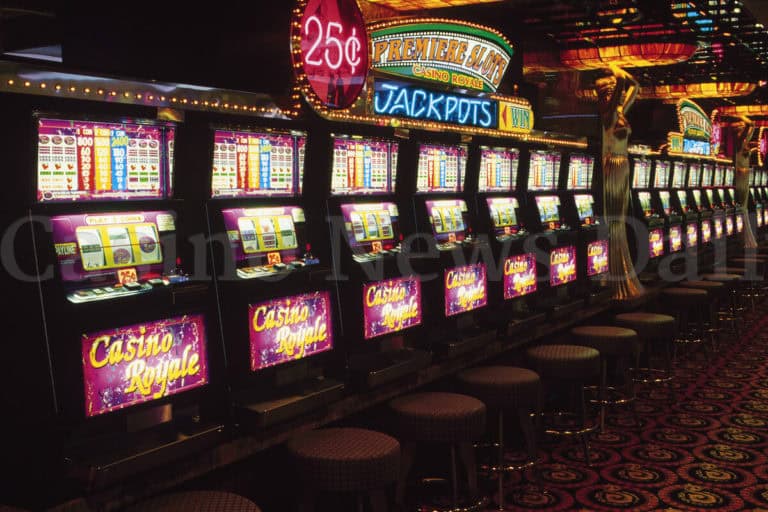
Personalisation algorithms raise the experience from functional to engaging. The platform records my gameplay patterns and can surface new releases that match my preferred volatility or theme. I have observed that after a few sessions at Grandmondial Casino, the lobby begins promoting slots with similar mechanics to those I play most often, without being so pushy that I feel pigeonholed. This is a fine balance; the recommendation engine must improve discovery without restricting my ability to browse the full catalogue. A clear platform also allows me reset or disable personalisation if I prefer a neutral lobby.
Loading speed is another UI metric I measure carefully. The platform should load on demand game tiles and delay non‑critical scripts so that the lobby becomes interactive within seconds. At Grandmondial Casino, I rarely encounter blank screens or spinning loaders, even when scrolling through hundreds of slots. The search function uses auto‑complete, and filter tags for features like “Megaways” or “Bonus Buy” respond instantly. These performance enhancements are not just about convenience; they reflect a platform that focuses on user experience and recognises that a sluggish lobby drives players away faster than almost any other flaw.